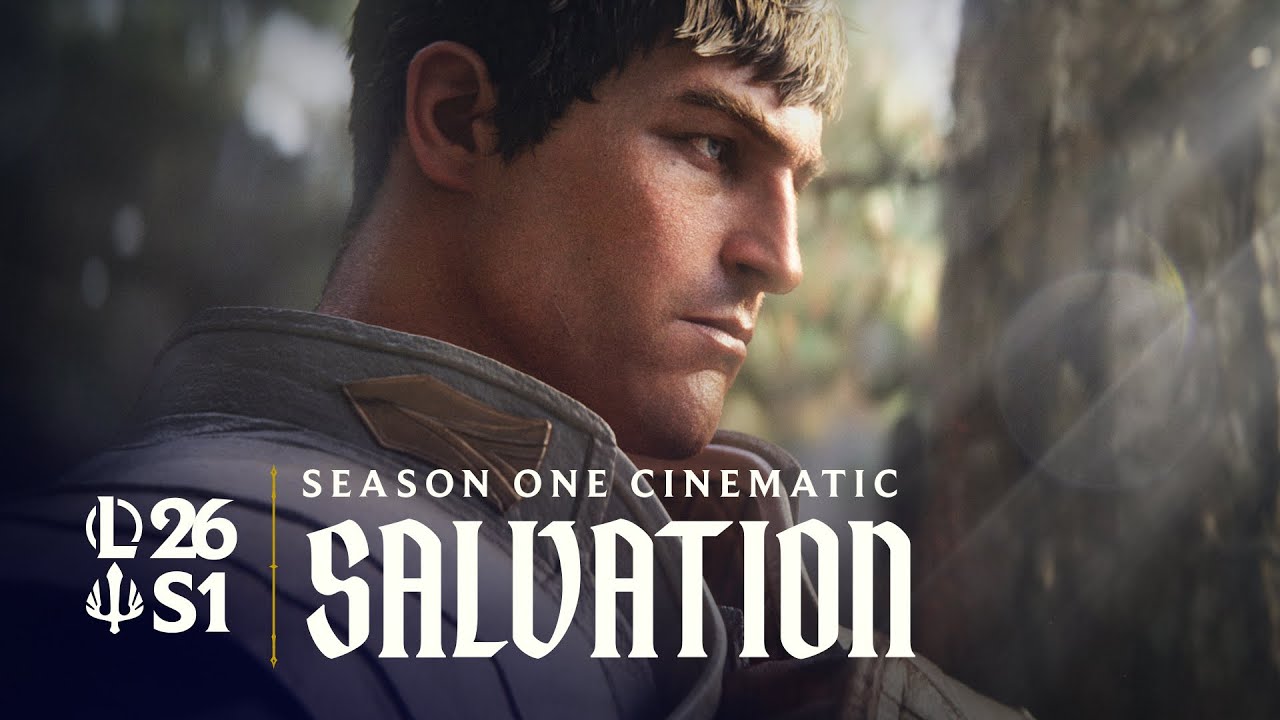
Salvation Movie 2026 Bollyfllix Review Details
From Niche Thriller to Gen-Z Sermon? The Unlikely Cult Rise of ‘Salvation’

Eighteen years in this game, and I still get a kick when a small, gritty indie like Salvation starts generating the kind of buzz usually reserved for starry Bollywood masala.
🎬 Book Movie Tickets Online
Check showtimes, seat availability, and exclusive offers for the latest movies near you.
Watched it first on a laptop, then in a half-full indie theatre, and the shift in energy was palpable. This isn’t just a movie; it’s a mood. Let’s dissect whether this snake-handling thriller is a flash in the pan or brewing a slow-burn cult legacy.
The Vibe Check: How Audiences Are Reacting
The theatre experience is tense, quiet, punctuated by collective gasps during the ritual scenes. It’s not a film people cheer in; it’s one they absorb and immediately dissect after.
On digital, the conversation has exploded. TikTok and Instagram Reels are flooded with those extreme close-ups of rattlesnakes, paired with ominous audio about “faith” and “secrets.” The discourse isn’t just about the plot—it’s about the *aesthetic*: the grunge Appalachia fashion, the haunting bluegrass snippets, and that unsettling, sermon-like dialogue.
It’s become a shorthand for “dark, atmospheric, and authentically weird.”
Trend Snapshot: Positioning in the 2026 Zeitgeist
Salvation lands perfectly in the current “truly local, deeply specific” wave. Audiences, especially younger ones, are fatigued by generic global content.

They crave subcultures, raw authenticity, and moral ambiguity. This film is a documentary-style dive into a world most have only heard of in headlines.
It’s not preaching; it’s presenting. In an era of algorithmically smooth content, its handheld, unvarnished texture feels like a rebellious act. It’s the anti-superhero film.
| Creator / Key Cast | Impact on Film’s DNA |
|---|---|
| Director Mackenzie Munro | Authenticity over gloss. Her docu-style roots ground the hyper-drama. |
| Claire Forlani (Gracie) | The moral anchor. Her weary warmth makes the bleakness bearable. |
| Thomas Jane (Whitney) | Menace with layers. He embodies the film’s core conflict: protector vs. oppressor. |
| Devon Bostick (Luke) | Gen-Z entry point. His silent resilience and outsider POV hook the youth. |
| Cinematographer Hana Kitasei | Makes poverty picturesque. The visual language is a character itself. |
Youth & Mass Pulse: Who’s Actually Watching?
Here’s the fascinating split. Gen-Z and millennial cinephiles on Letterboxd are all over this. They appreciate its slow-burn tension, thematic depth about questioning authority (both religious and systemic), and its killer aesthetic for mood boards.
It’s a “vibe film.” However, the classic Indian single-screen mass audience? A hard sell. The pacing is deliberate, the climax is ambiguous, and there’s no heroic dialogue-baazi or clear villain defeat.
Its appeal is metropolitan and niche-streaming. It speaks the language of global indie discovery, not broad mass entertainment.
Dialogue & Meme Potential: Is It Quotable?
Not in the traditional “dialogues bajao” sense. You won’t hear these lines shouted in college fests. The meme potential is **visual and auditory**. The shot of a serpent coiling around a trembling hand is already a universal meme template for “dealing with toxic situations.” The whispered lines, “You don’t handle the serpent; you submit to it,” and “Is this faith, or is it fear?” are captions over a million Reels about toxic relationships, exam pressure, and corporate life.
The film provides *attitude*, not punchlines.

| Element | Viral Potential Score & Reason |
|---|---|
| Snake-Handling Imagery | 9/10. Visually stunning, inherently symbolic, perfect for edits. |
| Ambiguous, Quote-Worthy Dialogue | 7/10. Great for captions, but needs the right visual pairing. |
| Grunge Appalachia Aesthetic | 8/10. Fashion, filters, and mood boards are already popping. |
| Devon Bostick’s “Silent Protagonist” Looks | 6/10. Strong for specific fan edits, less broad appeal. |
| Haunting Score & Diegetic Hymns | 8/10. Audio snippets create instant atmosphere on social audio. |
Longevity Check: Will This Age Well or Feel Dated?
Its strengths are its timelessness. By rooting itself in a specific, real subculture and avoiding trendy tech or slang, it sidesteps dating quickly. Films about faith, doubt, and survival are perennial.
The technical execution—practical effects, natural lighting—always ages better than dodgy early-period CGI. The risk is its pacing; as attention spans potentially shrink further, its slow burn might feel slower to future audiences.
But as a period piece (it’s already set in a vague, recent past), it will hold up as a compelling snapshot.
| Timeline | Cult Longevity Forecast |
|---|---|
| 1-2 Years (2026-2027) | Peak niche discourse. Festival rediscoveries, academic papers on its religious portrayal. |
| 3-5 Years (2028-2030) | Solid “hidden gem” status. Recommended in “if you liked The Witch” lists. |
| 5-10 Years (2031+) | Potential full cult classic. Midnight screening potential for its atmospheric dread. |
| Key Threat to Longevity | If its thematic nuance is reduced to just “that snake movie” in public memory. |
The Right Comparison: It’s in a Family, Not a Clone
Forget comparing titles; let’s talk bloodlines. Salvation belongs to the family of **”American Rural Gothic”** films. Its closest cousins are The Devil All the Time (for its multi-stranded, bleak rural morality tales) and Midsommar (for its immersive dive into a closed, ritualistic community).
From an Indian lens, it shares the DNA of those gritty, regional films that explore insular worlds with unflinching realism—think Jhund‘s immersion or Ankhon Dekhi‘s philosophical quest, but wrapped in Southern Gothic horror.
FAQs: The Trend & Youth Angle
Q: Is Salvation just a trend for dark academia/ cottagecore kids?
A: It’s tapped into that aesthetic, but it’s more substantial. The trend is using its visuals, but the film’s core—a critique of blind faith and a survival story—has wider appeal. The trend might fade, but the film’s substance will remain for those who seek it out.

Q: Why are Gen-Z viewers connecting with such a slow, non-action thriller?
A: This generation values authenticity and “vibe” over plot mechanics. They’re adept at reading subtext and appreciating atmosphere. Luke’s journey as an outsider questioning a corrupt system resonates deeply with them. It’s a moody, think-piece film, and Gen-Z loves a think-piece.
Q: Does it have “repeat watch value” for a cult following?
A: High, but for a specific reason. The first watch is for the plot. The re-watches are for soaking in the details—the background symbolism, the actor’s subtle cues, the sound design. It’s a film you “feel” more than follow, and that sensory experience invites repetition.
Ratings are purely my take after multiple watches — your experience might differ!