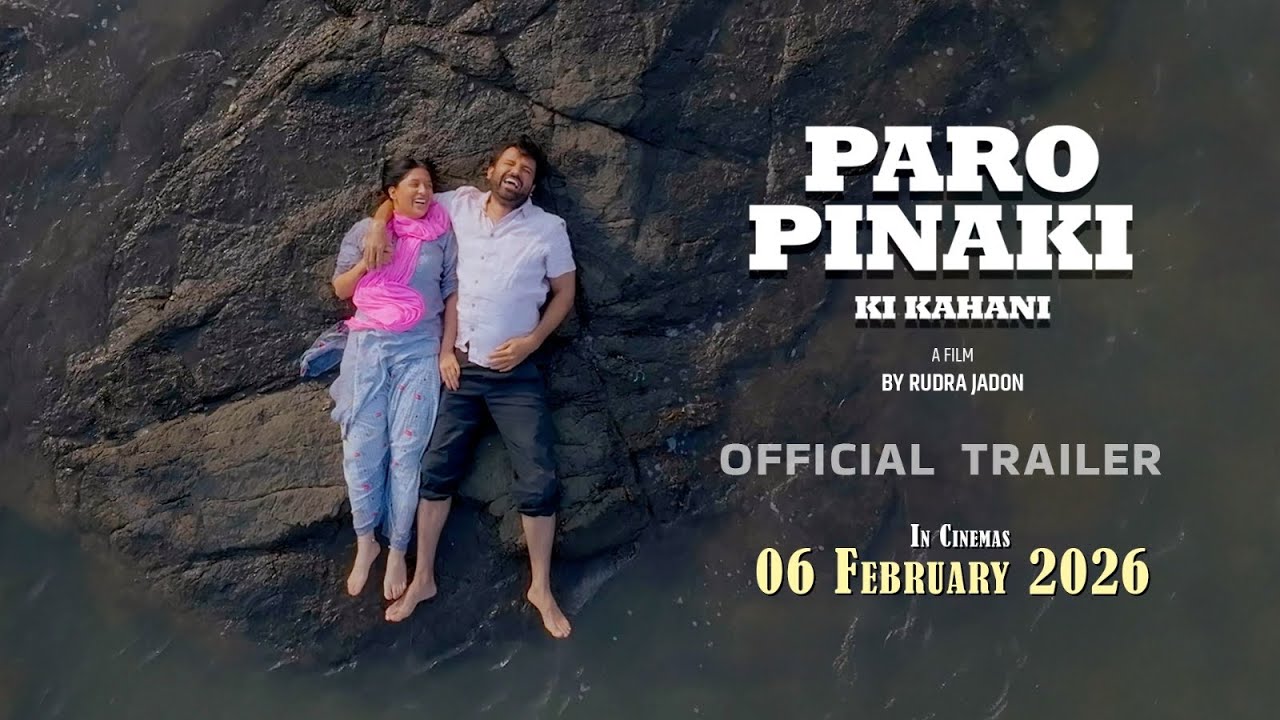
Paro Pinaki Ki Kahani Movie 2026 Bollyfllix Review Details
Toilet-Train Romance & Social Grit: Can This Indie Spark a New Wave?

Eighteen years in this game, and I still get a jolt when a film like Paro Pinaki Ki Kahani drops. It’s not about the stars; it’s about the sheer audacity to set a love story in a train’s toilet, forcing us to look at the invisible India.
🎬 Book Movie Tickets Online
Check showtimes, seat availability, and exclusive offers for the latest movies near you.
The chatter isn’t about box office numbers—it’s a slow-burn, hushed conversation in cinephile circles and activist reels. Let’s dissect if this raw nerve of a film has the makings of a future cult classic or will remain a poignant footnote.
Culture Hook: The “Did They Really?” Vibe
The audience reaction is split. In metro arthouses, you could hear a pin drop during the intimate, gritty scenes in the train bathroom—a mix of discomfort and awe.
On social media, especially Instagram reels, clips of Pinaki’s desperate search and the leads’ stolen moments are circulating with captions about “love in the margins” and “real India.” It’s generating a niche, respectful buzz, not mass hysteria.
The vibe is less about celebration, more about a sobering reflection.
Trend Snapshot: Positioning in 2026’s Climate
This film lands in an era where “content” is king, but algorithm-friendly gloss often wins. Paro Pinaki… is the antithesis—a stubborn, low-fi social drama about manual scavenging.
Its trend value lies in its authenticity, tapping into the post-Jhund, Article 15 appetite for grounded narratives. It’s not chasing the Pan-India spectacle trend; it’s digging into a hyper-local, painful reality, positioning itself as the “uncomfortable watch” that earns credibility.

| Creator / Key Cast | Impact & Vibe |
|---|---|
| Rudra Jadon (Director/Writer) | Debutant with a stark vision. The “train toilet” metaphor is a bold, talking-point directorial choice. |
| Sanjay Bishnoi (Pinaki) | Raw, unfiltered performance. Embodies the dehumanization & silent resilience of marginalized labor. |
| Eshitta Siingh (Paro/Mariyam) | Vulnerable yet strong. Represents the struggling urban poor with a quiet dignity that resonates. |
| Britto Khangchian (Music) | Score amplifies the grit and ache. Not about catchy tunes, but atmospheric emotion. |
| Abhay Balkawade (Cinematography) | Handheld, natural-light rawness. Makes the mundane (trains, sewers) feel intensely cinematic. |
Youth & Mass Pulse: Gen-Z vs. Single-Screen
Gen-Z / Urban Youth: This is a tricky one. The socially conscious segment of Gen-Z, active on platforms like YouTube Essays and Instagram activism, might champion it as an “important watch.” They’ll dissect its themes of class and dignity online.
However, its slow pace and lack of glamour might not cut through the clutter of faster, snappier content.
Mass / Single-Screen Audience: A hard sell. The subject matter (manual scavenging) and the setting (toilet romance) are far removed from the escapist masala or heroic tropes that drive mass appeal.
It’s more likely to be screened in NGO workshops than in small-town single screens. The “pulse” here is not of entertainment, but of education and empathy.
Dialogue & Meme Potential: Reel-Ready or Too Real?
Forget massy dialogue-baazi. The film’s power lies in silences and looks, not quotable one-liners. However, visual moments have reel potential: Pinaki looking out from a manhole, the couple’s tense meetings in the confined space, the frantic search through alleys.
These can be used as background for voiceovers about societal neglect, unspoken love, or mental health. The “meme” potential is low—the tone is too solemn for parody.
Its shareability is for impact, not laughs.
| Element | Viral Potential Score & Reason |
|---|---|
| Visual Metaphor (Train Toilet) | 9/10. Unique, shocking, perfectly encapsulates the film’s theme. Prime for think-pieces and review reels. |
| Lead Performances | 7/10. Clips of raw emotional scenes can go viral in “underrated acting” compilations. |
| Social Message | 8/10. Manual scavenging is a potent, under-discussed issue. NGOs and activists will amplify these clips. |
| Music & Background Score | 6/10. Atmospheric, not anthem-like. Might find a home in “study/ambient mood” playlists, not viral trends. |
| Overall “Meme-ability” | 2/10. Too gritty and serious. Not the material for humorous or relatable template memes. |
Longevity Check: Will This Age Well?
As a piece of social documentation, its relevance is tragically evergreen. The issue of manual scavenging won’t be solved overnight, so the film will remain a stark reference point.

Cinematically, its raw, minimalist style protects it from dating badly—it doesn’t rely on trendy VFX or fashion that will look obsolete. Its aging depends on societal progress; the slower the change, the more potent the film remains.
It’s built for film school syllabi and retrospective festivals on Indian indie cinema.
| Timeline | Cult Longevity Forecast |
|---|---|
| 1 Year (2027) | Niche cult status solidified. Discussed in film forums, referenced in articles on “new wave” Hindi cinema. |
| 5 Years (2031) | A benchmark for socially-conscious indie filmmaking. Likely on OTT “Hidden Gems” lists for the decade. |
| 10 Years (2036) | Either a dated curio if laws/society improve dramatically, or a devastatingly relevant classic if they don’t. The love story’s core emotion will hold. |
The Comparison: Not By Title, But By Type
Don’t compare it to Masaan or Court just because they’re indie. Paro Pinaki… is closer in spirit to the unflinching, almost documentary-like realism of early Neeraj Ghaywan or the focused, single-metaphor intensity of a Ship of Theseus.
It shares DNA with regional gems like Kaasav (Marathi) that tackle mental health and isolation through a minimalist lens. It’s the anti-thesis of the “poverty porn” genre—it doesn’t aestheticize struggle; it sits you right in the middle of its grime and ache.
FAQs: The Trend & Youth Angle
Q: Is this a “date night” movie or a solo watch?
A: Absolutely not a date night film (unless your date is a hardcore cinephile). It’s a solo or small-group watch, meant for reflection and discussion. The atmosphere is too heavy for casual viewing.
Q: Will this film start a trend of similar “gritty romance” plots?
A: Unlikely in mainstream Bollywood. The economics are too risky. However, it will absolutely empower and inspire more indie filmmakers on platforms like MUBI or film festivals to tackle taboo settings and raw, unvarnished love stories.

It’s a trendsetter for the fringe, not the center.
Q: How should I watch it to get the best experience?
A: Go in with the right mindset. This isn’t entertainment; it’s an experience. Watch it on a good sound system (the sound design is crucial), without distractions.
Be prepared to sit with the discomfort. The “repeat watch value” is low for enjoyment, but high for studying craft and emotional depth.
Ratings are purely my take after multiple watches — your experience might differ!