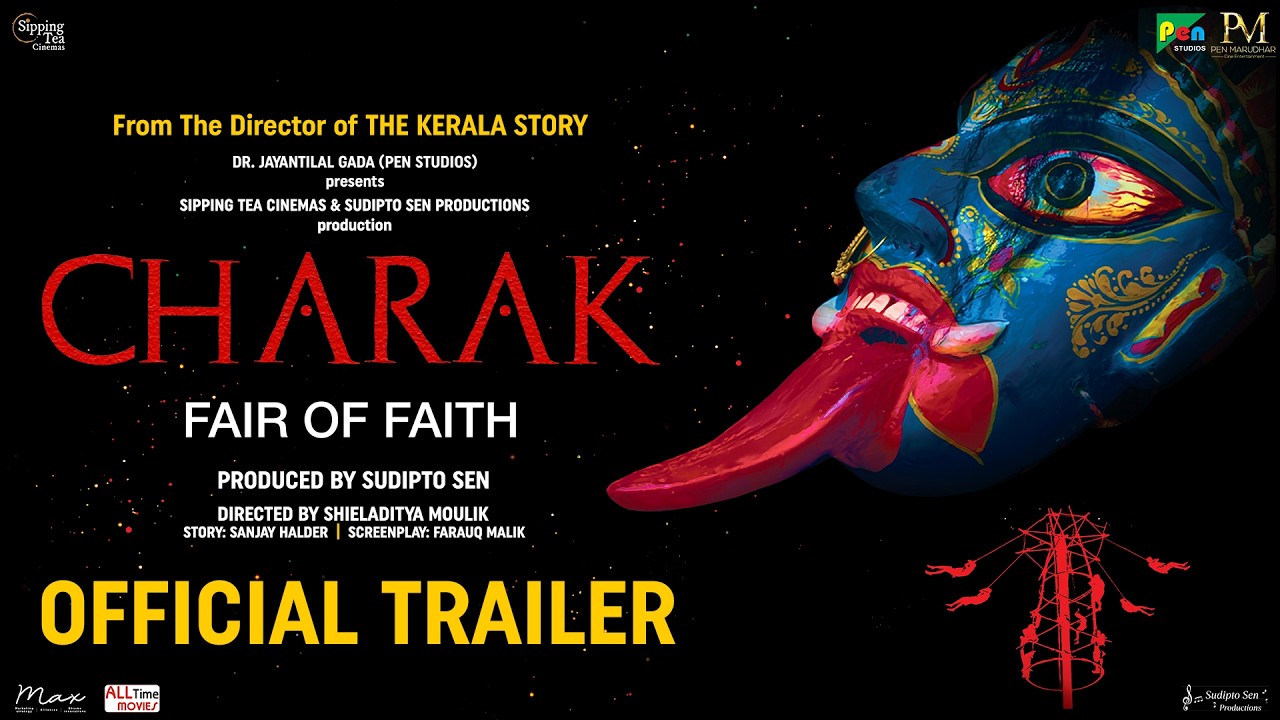
Charak Movie 2026 Bollyfllix Review Details
Charak: A Brutal Ritual or the Birth of a New Cult Genre?
Eighteen years in this game, and I still get that electric tingle when a film arrives not just to entertain, but to scar the collective consciousness. Charak isn’t playing for your applause; it’s digging its hooks into the very idea of blind faith.
The Theatre Vibe: Pin-Drop Silence, Then Deafening Debate

Forget whistles. The multiplex halls for Charak were libraries of discomfort. You could hear a pin drop during the ritual sequences—that’s the sound of an audience collectively holding its breath.
🎬 Book Movie Tickets Online
Check showtimes, seat availability, and exclusive offers for the latest movies near you.
But the moment the credits rolled, the lobby erupted. Not in celebration, but in heated arguments. “Is this our culture?” “How can this still happen?” That’s the film’s first win.
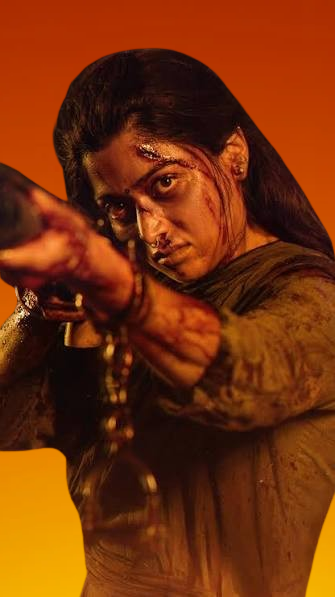
It didn’t create viewers; it created participants in a cultural autopsy. On social media, the discourse is raw. Reels aren’t about dance steps, but about close-ups of Anjali Patil’s eyes—windows to a soul in torment.
Trend Snapshot: The “Uncomfortable Truth” Niche Finds Its Voice
Charak lands in the sweet (or rather, bitter) spot of today’s cinematic appetite. Post the success of films like The Kashmir Files and The Kerala Story, there’s a booming market for “based-on-reality” shockers.
But Charak swaps political fire for spiritual inquiry. It’s not about who you vote for; it’s about what you pray to. In an era where Gen-Z questions every tradition, this film is their grim, validating evidence.
It’s not a mass entertainer; it’s a niche disruptor, and in 2026, niches have the power to trend globally.

| Creator / Cast | Impact on Cult Vibe |
|---|---|
| Director Shieladitya Moulik | Brings documentary-like restraint; makes horror feel real, not reel. |
| Anjali Patil (Shefali) | Her raw, wordless suffering is the film’s haunting, beating heart. |
| Writer Farauq Malik | Script avoids judgment, presents a moral maze, not a sermon. |
| Debasish Mondal (Aghori) | Creates an iconic villain—not cartoonish, but a terrifying embodiment of fanaticism. |
| Music Dir. Bishakh Jyoti | Sparse, folk-drenched score that gets under your skin, not in your playlist. |
The Youth & Mass Pulse: Gen-Z’s Validation, Single-Screen’s Alienation
For the urban, questioning Gen-Z, Charak is a dark mirror to their skepticism. It visually articulates their debates about oppressive traditions.
They aren’t just watching; they’re screenshotting dialogues for Instagram stories about breaking cycles. However, in the single-screen heartland, the very world the film depicts, the reception is complex.
It’s either met with defensive silence or aggressive rejection. The mass audience seeks escapism or clear heroes/villains. Charak offers neither. It lives in the grey, which is why its primary cult will be forged in urban cinephile circles and academic discussions first.
Dialogue & Meme Potential: Not Catchphrases, but Captions
Don’t look for “Dialogbaazi” here. The power isn’t in punchlines but in philosophical gut-punches. Lines like “Yeh shraddha hai ya shoshan?” (Is this devotion or exploitation?) or the Aghori’s chilling “Dard hi to pooja hai” (Pain is the worship) become powerful captions for socio-political commentary reels.
The meme potential isn’t comic; it’s activist. The visual of the Charak swing itself is becoming a potent symbol for being trapped in cycles of pain, used in everything from career memes to relationship jokes with a dark edge.
| Element | Viral Potential Score & Reason |
|---|---|
| Anjali Patil’s Performance Clips | 9/10 – Pure, shareable acting masterclass. The face of silent resilience. |
| Ritual Visuals (Swing/Hooks) | 8/10 – Shocking, iconic imagery. Easy to repurpose as metaphor. |
| Dialogues on Faith vs. Exploitation | 7/10 – High shareability in text-based posts/stories for discourse. |
| Aghori Bhima’s Terrifying Presence | 6/10 – More about in-film impact than standalone meme material. |
| Haunting Background Score | 8/10 – Perfect for creating atmospheric, suspenseful reels. |
Longevity Check: Will It Age Like Fine Wine or Fade?
Films about specific social evils can date quickly. Charak’s genius is that it uses a specific ritual to talk about the universal virus of blind faith.
As long as humanity grapples with dogma versus reason, Charak will feel relevant. Its technical craft—grounded cinematography, immersive sound—is timeless by design.

It avoids trendy music or slang, rooting itself in a stark, almost classical realism. This isn’t a film of its moment; it’s a timeless case study.
Its rewatch value lies not in suspense (you know the plot), but in studying the layers of performance and the chilling, quiet moments of complicity.
| Timeline | Cult Longevity Forecast |
|---|---|
| 1 Year Post-Release | Solidified as a “brave” film. Debated in film schools, referenced in articles on parallel cinema revival. |
| 5 Years Later | Anjali Patil’s performance becomes benchmark. Film finds dedicated fanbase on OTT, with annual “ritual watch” threads. |
| 10 Years & Beyond | Either a respected, niche classic cited in the lineage of Indian realism, or rediscovered as a prophetic film if similar scandals emerge. |
The Comparison: It’s Not What You Think
Forget comparing it to other movies by title. Think in terms of DNA strands. It has the journalistic urgency of a “Parzania” or “Masaan”—films that document a specific societal wound.
It borrows the unflinching, procedural unraveling of “Article 15”, replacing caste with cult. And it carries the spiritual dread and atmospheric oppression of a Tarkovsky film, just dressed in the soil of rural Bengal.
This unique fusion is what gives it its cult identity.
3 FAQs on the Trend
1. Is Charak just cashing in on the “controversial real story” trend?
There’s a key difference. While others sensationalize, Charak internalizes.
It’s less about the “what happened” and more about the “why it keeps happening.” It trades headline-grabbing for soul-searching, which is the foundation of a cult, not a flash trend.

2. Will this film actually change anything in the real world?
Direct change? Unlikely. But cult classics work subtly. It plants a seed of questioning.
It provides a vocabulary and imagery for a conversation about ritualistic abuse. Its impact will be measured in future documentaries, plays, and maybe even legal citations, not in immediate policy shifts.
3. Is this too dark to have a “cult following”? Don’t cult films need fun, quote-along moments?
That’s the old rule. The new cult is built on shared intensity.
The “fun” is in the shared trauma of the viewing experience, the collective gasp, the post-film debate that lasts for hours. The cult is formed not around catchy dialogues you shout, but around silent moments that haunt you together.
Ratings are purely my take after multiple watches — your experience might differ!