Kadhal Kadhai Sollava Movie 2026 Bollyfllix Review Details
Kadhal Kadhai Sollava: The Next ’96’ or Just Another Melody-Drama Flash in the Pan?
Having watched the romance-drama landscape shift from candyfloss to raw realism over two decades, I can tell you this: the films that stick are the ones that make silence speak louder than dialogue.
Kadhal Kadhai Sollava (KKS) is betting big on that very silence—the unsaid words between generations. But does it have the cultural teeth to become a reference point, or will it drown in the monsoon of similar releases?
The Culture Hook: More Sighs Than Screams
The theatre vibe for KKS isn’t about whistles; it’s about that collective, heavy sigh. You know the one. It’s the sound of an audience recognizing a feeling they’ve buried.
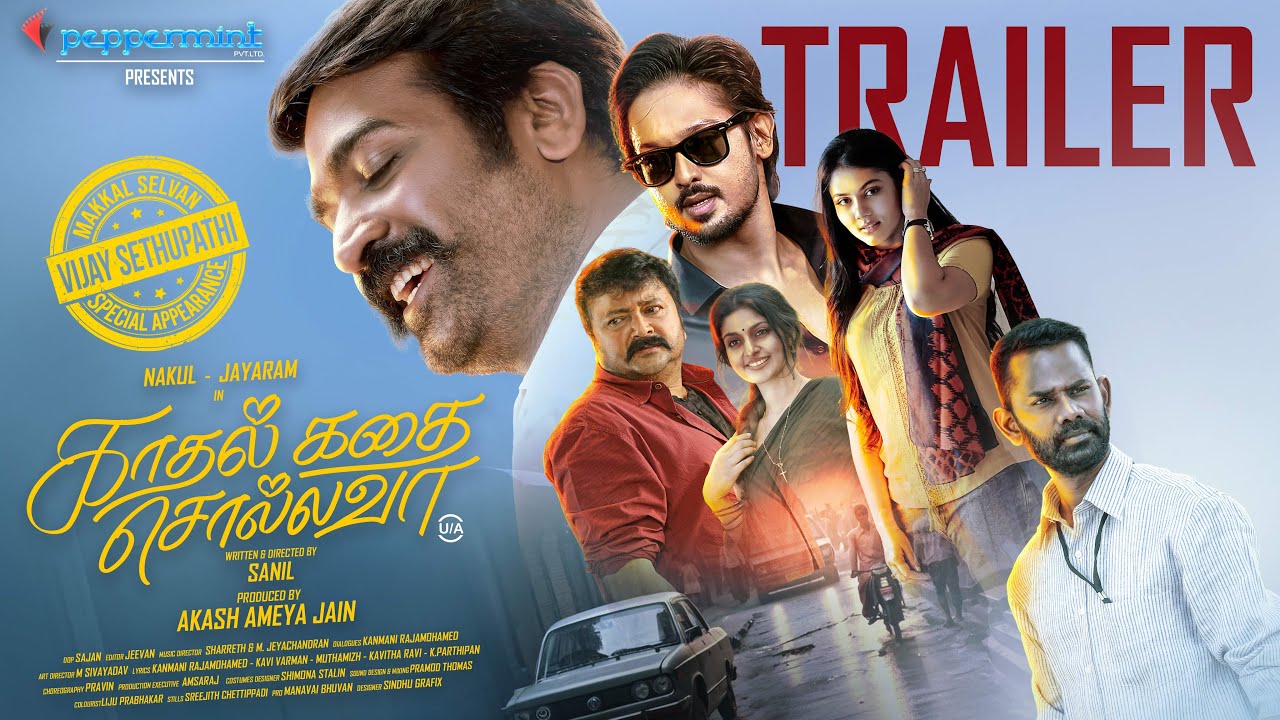
Early shows indicate a potent, quiet absorption. The reels aren’t built on dance steps, but on close-ups—Jayaram’s tear-lined smile, Sethupathi’s knowing glance, a handwritten letter floating in the rain.
The quote isn’t a punchline; it’s the title itself, whispered as a question: “Shall I tell my love story?” It’s an introspective hook for a generation obsessed with ‘shared stories’ on social media, yet terrified of real confession.
Trend Snapshot: A Post-*Garudan* Emotional Detox
Positioning is everything. Releasing in 2026, KKS arrives after a wave of high-octane action and social dramas. It’s the cinematic equivalent of a deep breath.
It’s not trying to be a mass masala; it’s positioning itself as the “emotional palate cleanser.” It leverages the proven market for melody-driven, family-centric nostalgia (see the long shadows of *96* and *Minnal Murali*) but packages it with the star-power of Vijay Sethupathi as the soulful anchor and Jayaram as the bridge to the older audience.
It’s a calculated, mid-budget counter-programming move.

| Creator | Impact |
|---|---|
| Sanil Kalathil (Dir/Writer) | Heart & blueprint. Balances gen-Z angst with 80s melodrama. |
| Vijay Sethupathi | The anchor. His “Makkal Selvan” cred lends instant depth & multiplex pull. |
| Jayaram | The bridge. Connects B/C centers & families; evokes trusted warmth. |
| M. Jayachandran (Music) | The soul. Carnatic-infused melodies are the primary emotional vehicle. |
| Shajan Kalathil (Cinema) | The aesthetic. Rain-drenched, lush frames built for wallpaper culture. |
Youth & Mass Pulse: Gen-Z’s Confession Anxiety, Single-Screen’s Melody Fix
For Gen-Z, drowning in DMs and ambiguous Instagram stories, KKS directly targets their central romantic paradox: the fear of verbal rejection. Nakhul’s character is a meme they’ll recognize—the overthinker with a perfectly typed, unsent message.
The film validates their anxiety but, crucially, pushes for catharsis through the older generation’s regret. For the single-screen mass audience, it’s a pure melody-and-emotion play.
Jayaram is a beloved, familiar face; the songs are structured like classic Tamil film music (duet, solo, philosophy); the family drama at the wedding climax is a guaranteed tear-jerker.
It speaks both languages, but the true test is if the youth adopt the *philosophy*, not just the aesthetic.
Dialogue & Meme Potential: Philosophy Over Punch
Don’t expect one-liners for rival gangs. The meme potential here is softer, more aesthetic and relatable. The dialogue “Sollava?” (Shall I tell?) is a ready-made caption for any vague, romantic post.
Visuals of characters staring into the distance, holding phones, or the recurring motif of the train (missed connections) are reel gold. Sethupathi’s philosophical monologues about time and regret will be cut into motivational/”deep thought” reels.
The potential is high for a sustained, mood-based virality rather than a sudden joke tsunami.
| Element | Viral Potential Score & Reason |
|---|---|
| “Sollava?” Dialogue | 9/10. Perfect, versatile caption for the anxious romantic. |
| Rain/Aesthetic Frames | 8/10. Wallpaper & mood-reel staple. Lush cinematography is shareable art. |
| Sethupathi’s Monologues | 7/10. “Deep Quote” pages will feast. Depends on writing depth. |
| Melodic Song Hooks | 9/10. Music is the primary engine. Short, soulful clips will dominate audio reels. |
| Jayaram’s Regret Arc | 6/10. Huge emotional impact, but less meme-able. More for broad audience connection. |
Longevity Check: Will This Age Like Wine or Evaporate Like Rain?
This is the million-dollar question. The film’s longevity hinges on two things: the timelessness of its music and the universality of its core regret.

M. Jayachandran’s score, if it achieves *96*-like classic status, will be the life support system for years. The theme of “the one that got away” and unsaid words is perennially relevant.
However, the risk lies in its execution. If the multi-timeline narrative feels gimmicky or the Gen-Z conflicts are dated by 2028 (think specific app references), the film could feel stuck in its time.
The lack of overt stylistic daring might prevent it from being a cult *object*, but the emotional core could keep it in the “recommended watch” lists.
| Timeline | Cult Longevity Forecast |
|---|---|
| 6 Months Post-Release | Strong. Driven by OTT rediscovery, playlist dominance, and Valentine’s Day re-watches. |
| 2-3 Years | Testing phase. Will be a benchmark for new romance scripts (“Is it a KKS-type film?”). Music determines its pulse. |
| 5+ Years | Nostalgia Classic Potential. If music survives, it becomes a “remember that feel-good film?” reference, not necessarily a deconstructed cult object. |
The Comparison Game: It’s About Genre DNA, Not Titles
Calling it the next *96* is lazy. Let’s break down its DNA: It has the **melancholic, regret-soaked soul of *96***, but wrapped in the **multi-generational, family-drama packaging of a *Minnal Murali*** (minus the superhero).
It has the **visual romanticism of *Vinnaithaandi Varuvaayaa*** but filters its conflict through **the paternal/middle-class lens of a *Soorarai Pottru*** subplot.
It’s attempting a hybrid—using a classic 80s/90s “lost love” template but diagnosing it with a 2020s “communication breakdown” syndrome. Its success depends on this graft taking hold.
FAQs: The Trend & Youth Angle
Q: Is this just an old-school film trying to look young?
A: Partly, but that’s its strategy. It uses young faces (Nakhul, Aathmika) and modern settings (social media anxiety) as the entry point, but its emotional resolution and wisdom are deliberately old-school.
It’s saying, “Learn from our regrets.”

Q: Will it work for someone who hates musicals or slow dramas?
A> Unlikely. The music isn’t a break; it’s the narrative bloodstream. The pace is deliberate, emotional. This is a mood film. If you need plot twists every 15 minutes, this isn’t your pick.
Q: Can this start a trend of similar films?
A> If it’s a box office success, absolutely. Producers will greenlight more mid-budget, melody-forward, multi-generational dramas.
It could signal a mini-resurgence of the “family romance” genre, blending OTT-series-like emotional depth with a theatrical musical experience.
Ratings are purely my take after multiple watches — your experience might differ!