Ashakal Aayiram Movie 2026 Bollyfllix Review Details
Ashakal Aayiram: Nostalgia-Bait or The Return of the Wholesome Blockbuster?
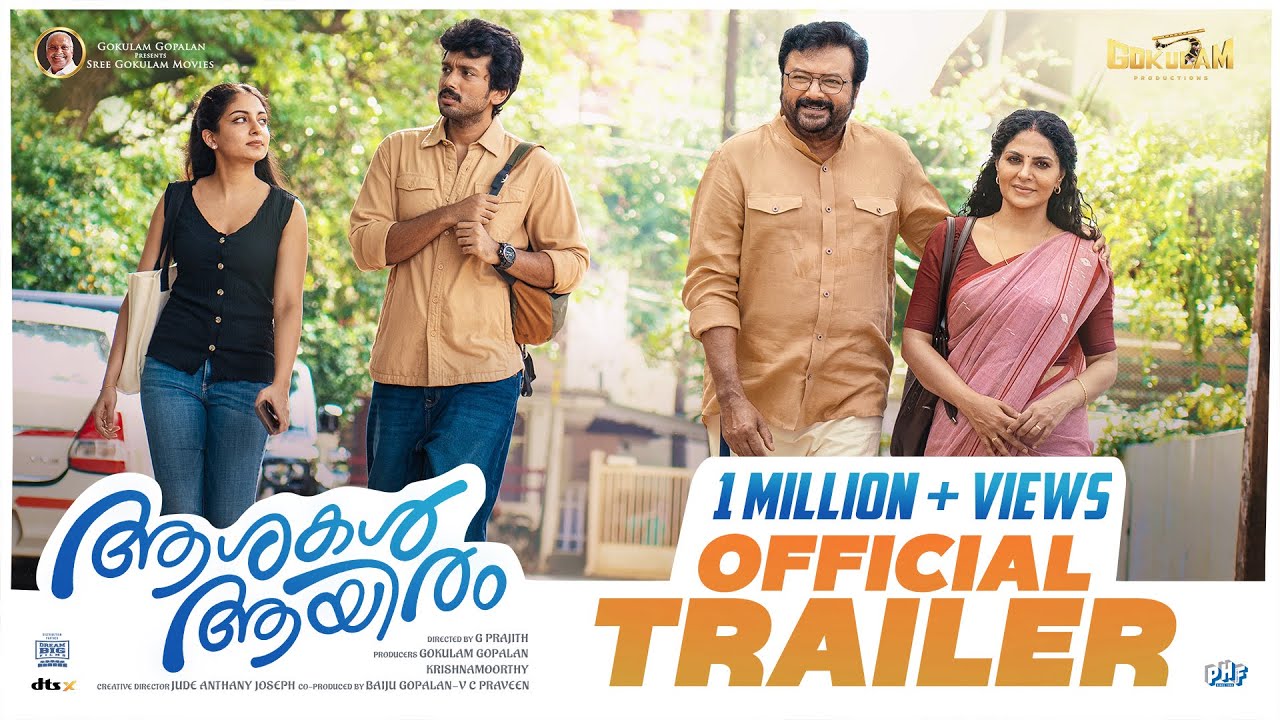
Eighteen years in this game, and you learn to spot the difference between a fleeting sentiment and a genuine cultural reset. Watching ‘Ashakal Aayiram’ in a packed Kochi theatre, surrounded by families and the unmistakable chuckles of recognition, felt like a throwback to a different era of Malayalam cinema.
This isn’t just a film; it’s a mood. Let’s dissect if that mood has the legs to become a trend or fade as a sweet, one-time memory.
The “Utharam” Vibe: More Than Just Box Office Numbers
The theatre reaction was the first data point. It wasn’t the explosive cheers of a mass hero entry, but a warm, consistent hum of approval. The biggest laughs came from Jayaram’s classic reactive comedy, and you could hear a pin drop during the quiet confrontations between Kalidas and Asha Sharath.
Post-show, the buzz wasn’t about “mind-blowing” scenes, but about “feeling good” and “missing such films.” On social media, the initial reels are less about dialogue and more about the father-son moments—hugs, silent understanding, that classic Jayaram smile.
The culture hook is comfort, not chaos.
Trend Snapshot: Perfectly Timed Antidote
In 2026, where theatrical cinema is dominated by high-concept thrillers, dense political dramas, and pan-India spectacles, ‘Ashakal Aayiram’ plants its flag firmly in the soil of simple, relatable family drama.

Its positioning is genius: a counter-programming champion. It speaks directly to an audience fatigued by complexity, craving the cinematic equivalent of a home-cooked meal.
It leverages Jayaram’s enduring “family man” brand equity and taps into the meta-narrative of a real-life son navigating his father’s colossal legacy.
This isn’t chasing a trend; it’s creating its own niche.
| Creator / Element | Cultural Impact & Role |
|---|---|
| Jayaram (Actor) | The anchor. His presence triggers nostalgia, lending instant credibility and warmth to the “family” brand. |
| Kalidas Jayaram (Actor) | The bridge to Gen-Z. His aspirational, sometimes frustrating character makes the old-school theme relatable to youth. |
| G. Prajith (Director) | Crafted a safe, familiar template. Impact is comfort, not innovation. |
| Asha Sharath (Actor) | The film’s conscience & secret weapon. Her dignified performance elevates it from cliché to poignant. |
| Sanal Dev (Music) | Melodic, sentimental score that directly feeds the film’s emotional core and replay value. |
Youth & Mass Pulse: The Quiet Connect
Does it speak to Gen-Z? Surprisingly, yes, but not in the way a hip, slang-heavy film does. It speaks to the anxiety of aspiration. Kalidas’s character—dreaming big, facing rejection, grappling with parental expectations—is a universal Gen-Z/Millennial story.
The single-screen mass audience connects with the familial conflict, the respect for the father figure, and the ultimate moral: dreams are fine, but family is everything.
It’s a conservative message wrapped in a progressive package (the son is allowed to try). The pulse is steady, not racing.
Dialogue & Meme Potential: Low-Key, High-Heart
This is not a film of punchy one-liners. Its meme potential lies in reaction images and relatable scenarios. Jayaram’s exasperated sighs, Kalidas’s dejected audition looks, Asha Sharath’s silent, powerful glances—these are the reel-friendly moments.

The dialogue is conversational (“I’m a family man, after all”). The viral potential is in the *feeling*, not a specific quote. Expect reels with the warm background score over scenes of parental support or personal failure.
| Element | Viral Potential Score & Reason |
|---|---|
| Father-Son Moments | 9/10. Pure, shareable emotion. Gold for “Family Goals” and “Appreciate Your Parents” content. |
| Kalidas’s Struggle | 8/10. Highly relatable for the youth. “Me after another rejection” meme template. |
| Asha Sharath’s Performance | 7/10. “Silent Disappointment” and “Strong Mother” reels from cinephile pages. |
| Music & Background Score | 8/10. Sanal Dev’s themes will be reused in sentimental personal reels. |
| Dialogue Baazi | 4/10. Not that kind of film. Low on repeat-worthy punchlines. |
Longevity Check: The Ageing Curve
Will ‘Ashakal Aayiram’ age well? For its target audience, absolutely. Films about family dynamics and generational dreams have a timeless quality. Its technical aspects are competent, not gimmicky, so it won’t look dated.
The risk is its “safe” approach. It might not be remembered as a groundbreaking classic, but as a prime, polished example of the mid-2000s-style feel-good family drama revived in the 2020s.
Its repeat watch value is high for casual, comfort viewing, especially on OTT during festivals or family time.
| Timeline | Cult Longevity Forecast |
|---|---|
| 6 Months (Post-OTT) | Peak rediscovery. Will trend on streaming platforms as a “hidden gem” for family audiences. |
| 2-3 Years | Solidified as a “good one” in Jayaram’s late-career resurgence and Kalidas’s filmography. Referenced in “feel-good” lists. |
| 5+ Years | Potential to be a minor cult classic for its specific sub-genre: the “nostalgic, wholesome family drama.” Its rewatchability secures its shelf life. |
The Comparison Game: Not By Title, But By Type
Forget comparing it to other films by name. Think of it as a spiritual successor to the early 2000s ‘Sandesham’ or ‘Vietnam Colony’ style of family-centric, socially-aware comedies, but stripped of sharp political satire.
It’s closer in DNA to the comfort-food cinema of the 90s, but with a 2026 lens on career anxiety. In the current landscape, it occupies the space a ‘Kumbalangi Nights’ might have for complex families, but ‘Ashakal Aayiram’ chooses simplicity and resolution over complexity and ambiguity.
FAQs: The Trend & Youth Angle
Q: Is this film just for old-school Jayaram fans, or will the youth get it?

A: It’s a gateway film. The youth will connect with Kalidas’s journey of ambition and failure. Jayaram’s charm is the bonus their parents get. It works as a cross-generational watch, which is its biggest strength.
Q: Does it have the “repeat value” that defines a cult movie?
A: As a comfort watch, yes. It’s not dense with details you might miss, but its emotional beats are reliable and heartwarming. It’s the kind of film you can half-watch while doing chores and still feel good about.
Q: Will this start a trend of similar wholesome family dramas?
A: If it’s a sustained commercial success, absolutely. Producers are always looking for replicable formulas. This film proves there’s a hungry, underserved audience for simple, well-made emotional dramas with familiar faces. Expect clones.
Ratings are purely my take after multiple watches — your experience might differ!