Chowkidar Kannada Movie 2026 Bollyfllix Review Details
From Village Theatres to Viral Reels: Is Chowkidar Kannada the New Cult Family Classic?
After 18 years in this game, you develop a nose for films that don’t just play on screen but seep into the living room conversations of middle India. Chowkidar (2026) has that smell.
It’s not the scent of popcorn and VFX, but of old family albums and simmering sambar—a potent, nostalgic mix that’s driving its unexpected cultural footprint.
The Culture Hook: A Collective Sigh of Recognition
The theatre vibe wasn’t about whistles, but murmurs of agreement. You’d hear an “Adu nija!” (That’s true!) from an uncle, or see a mother nudge her daughter during Dhanya Ramkumar’s dilemmas.
Post-show, the chatter wasn’t about plot twists, but personal parallels. This wasn’t a viewing, it was a community therapy session disguised as a matinee.
On social media, the shift was clear: from star-centric edits to relatable slices—grandparents smiling at Sai Kumar’s scenes, young couples debating the “one child” pressure.
Trend Snapshot: A Quiet Rebellion in the Age of Spectacle
In 2026’s cinematic landscape, dominated by pan-India action and high-concept thrillers, Chowkidar positioned itself as the anti-thesis. It’s a soft, deliberate counter-trend.
It proves that in the algorithm-driven chaos, there’s a massive, underserved audience craving validation for their everyday emotional conflicts—the guilt of not wanting more kids, the loneliness of nuclear life, the quiet erosion of tradition.

| Creator / Key Cast | Impact on Vibe & Viability |
|---|---|
| Director/Writer Chandrashekar Bandiyappa | Rooted authenticity. His personal lens gives the film its “lived-in” feel, the biggest hook for the core audience. |
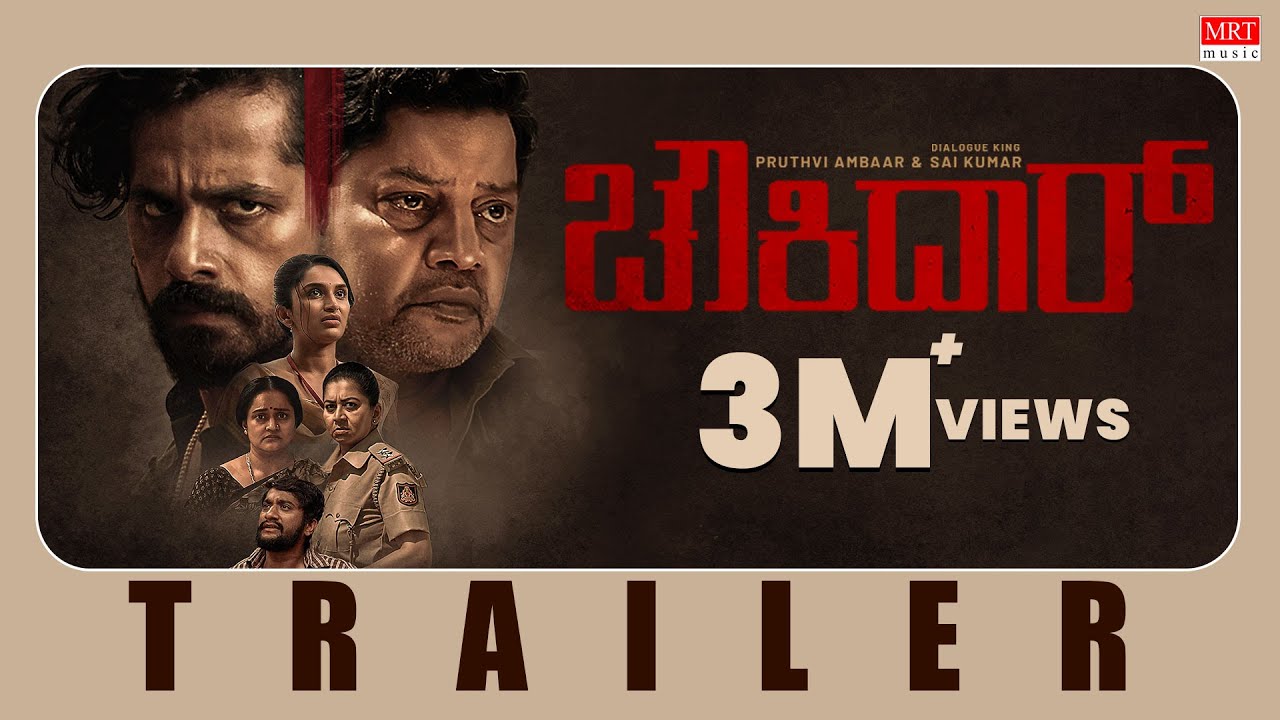
| Pruthvi Ambaar (Narayan) | The relatable anchor. His everyman vulnerability, not heroism, makes the chowkidar metaphor stick. |
| Dhanya Ramkumar (Lakshmi) | The emotional bridge. She connects the film’s traditional heart to its modern dilemmas, especially for women viewers. |
| Sai Kumar (Appa) | The gravitas engine. His dialogues became the film’s “shareable wisdom,” quoted in family WhatsApp groups. |
| Composer Sachin Basrur | The memory maker. The folk-tinged score is the primary carrier of the film’s nostalgic virus. |
Youth & Mass Pulse: Bridging the Generation Gap
Here’s the interesting twist: it speaks to both, but for different reasons. For the single-screen, mass audience, it’s an affirmation of their values—a celebration of the world they feel is fading.
For Gen-Z in metros, it’s a window, sometimes a gentle critique, of the familial pressures they navigate. The film doesn’t fully take the youth’s side; instead, it makes their parents’ perspective *understandable*.
This emotional intelligence is why it played in both Belagavi and Bengaluru’s PVRs, albeit with different audience compositions.
Dialogue & Meme Potential: The “Shareable Sigh”
This isn’t a film of punchy one-liners, but of *repeatable sentiments*. The meme potential lies in situational irony and relatable frustration. Scenes like the entire family staring at the young couple after a pregnancy announcement are ripe for reaction memes about “family pressure.” Narayan’s line about guarding empty playgrounds is a visual metaphor waiting for infinite captions about modern loneliness.
The song “Otha Gudi” already spawned wedding season reels. The dialogue works because it feels overheard, not written.
| Element | Viral Score & Reason |
|---|---|
| Relatable Scenarios (Family Pressure) | 9/10. Goldmine for situational memes and “It’s not just me!” reels. |
| Dialogue Snippets | 7/10. More “shareable quotes” than viral sounds, perfect for text-on-image posts. |
| Music & BGM | 8/10. Folk hooks (“Otha Gudi”) have inherent reel rhythm. Emotional scores used for nostalgic montages. |
| Visual Nostalgia (Flashbacks) | 8/10. Warm, saturated frames of joint-family chaos are perfect for “Throwback” edits. |
| Character Archetypes (Wise Grandpa, Meddling Aunty) | 9/10. Ready-made templates for infinite character-based meme formats. |
Longevity Check: Will This Age Like Wine or Stale Ragi Mudde?
Its longevity is tied directly to the permanence of its core conflict. As long as the tension between individual ambition and familial expectation exists in Indian society, Chowkidar will remain relevant.
The technical execution—grounded cinematography, timeless folk music—ages gracefully. The risk is the second-act pacing and some binary characterizations feeling dated to future viewers.

However, its heart is in the right, unchanging place. This isn’t a trendy outfit; it’s a comfortable, inherited shawl—its value increases with emotional wear and tear.
| Timeline | Cult Longevity Forecast |
|---|---|
| Short-Term (1-2 Years) | Strong. Will thrive on OTT as “family watch” recommendation, especially during festivals. |
| Mid-Term (3-5 Years) | Solidified. Key scenes and songs will be reference points in discussions on family dynamics in pop culture. |
| Long-Term (5+ Years) | Likely Cult Status. Will be rediscovered by new generations facing similar pressures, seen as a gentle time capsule of 2020s societal shifts. |
The Comparison: Not By Title, But By Tribal Feeling
Don’t compare it to other movies; compare it to cultural artifacts. It has the emotional blueprint of a “Mungaru Male” (universal heartache) but applied to familial love, not romance.
It carries the social observation of older “slice-of-life” Kannada dramas but with a 2026 lens on fertility rates and economic anxiety.
Its OTT journey might mirror a “The Family Man”—not in genre, but in how it sparks dinner-table debates about the protagonist’s choices.
It’s in the genre of “Validation Cinema.”
3 FAQs on the Trend
Q: Is this film just for Kannada audiences or does it have pan-India cult potential?
A: The emotion is pan-India. The specific cultural wrapper is Kannada.
The dubbed versions will work in markets with strong family-centric viewing cultures (parts of AP, TN, Hindi heartland). Its cult status will be strongest in its native language where every nuance lands.

Q: Will this start a trend of similar “family pressure” dramas?
A> Absolutely. The box office success is a green light. Expect a wave of mid-budget, regionally-rooted films exploring micro-social themes—career vs.
childcare, urban migration’s emotional cost. Chowkidar has blueprinted the viability.
Q: Why are young people connecting with what seems like an “old-school” theme?
A> Because it’s not preaching to them; it’s presenting their world.
They see their parents in Narayan and Appa. It gives them a vocabulary to understand the generational guilt and love that operates in their homes. It’s empathy, not nostalgia.
Ratings are purely my take after multiple watches — your experience might differ!