Sahakutumbaanaam Movie 2025 Bollyfllix Review Details
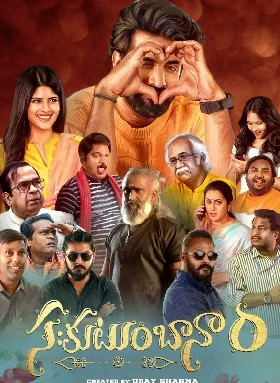
From Theatrical Chaos to Digital Darling: Will Sahakutumbaanaam Outlive Its Hype?
Eighteen years in this game, and I still get a kick out of watching a ‘simple’ family comedy find its pulse. The theatre for Sahakutumbaanaam wasn’t about whistles for a star entry; it was that collective, knowing chuckle from uncles, aunties, and even a few Gen-Z kids when Brahmanandam delivered a perfectly timed stare.
That’s the real test. It’s not about opening weekend fireworks, but whether the film’s chaos becomes a shared, repeatable language. Let’s dissect.
The Culture Hook: Lived-In Laughter, Not Manufactured Hype
The vibe was recognizably Telugu-family-core. Audiences weren’t just watching; they were nodding along, seeing fragments of their own dysfunctional, loving units on screen.
The reels won’t come from high-octane action but from the relatable madness—the passive-aggressive family meetings, the over-the-top emotional blackmail by the elders, that one cousin who’s always scheming.
It’s meme fodder rooted in reality, not VFX.

Trend Snapshot: A Nostalgic Anchor in a Hyper-Stylized Era
In 2025, where every other film is a sleek thriller or a pan-India epic, Sahakutumbaanaam is a deliberate throwback. It’s positioning itself as the comfort-food cinema.
It doesn’t chase the “KGF” vibe; it leans into the “family on a Sunday afternoon” vibe. Its success hinges on being the anti-algorithm film—offering warmth in a cold, trend-chasing market.
| Creator / Key Cast | Impact on Cult Potential |
|---|---|
| Director Uday Sharma (Story, Screenplay, Dialogues) | Unified vision. The film lives/dies by his writing’s authenticity. |
| Brahmanandam & Rajendra Prasad | Nostalgia engines. Their mere presence triggers a trust factor with the family audience. |
| Raam Kiran (Kalyan) | The straight man. His believable “every-software-guy” act grounds the madness. |
| Megha Akash (Siri) | The audience proxy. Her outsider POV is the gateway for younger viewers. |
| Music Director Mani Sharma | Melodic nostalgia. His score is the emotional glue, key for repeat value. |
Youth & Mass Pulse: Bridging the Generation Gap?
For Gen-Z, the initial hook might be the “hidden identity” plot—it’s got that mild thriller-ish tease. But does it hold them? The single-screen mass will lap up the veteran comedy.
The real win is if the film makes the youth see their own family’s quirks as comedy, not just cringe. Siri’s character is crucial here—she’s modern, orphaned (no traditional baggage), and her journey to find “family” in this mess is a universally sellable theme.
Dialogue & Meme Potential: Reel-Ready or Just Theatrical?
This isn’t a one-liner factory like some mass masala films. The meme potential is situational. Think: reaction memes. The exaggerated sigh of a patriarch, the eye-roll of a mother, the chaotic group argument where everyone talks over each other.
These are gold for Instagram Reels and YouTube Shorts. The dialogue’s strength is in its relatability, not its punch. Lines about “family meetings,” “software job lies,” and “emotional drama” will be captions on a million personal photos.
| Element | Viral Potential Score & Reason |
|---|---|
| Brahmanandam’s Reaction Shots | 9/10. Timeless, universal, perfect for GIFs and reaction reels. |
| Chaotic Family Argument Scenes | 8/10. Highly relatable, easy to dub over with personal context. |
| Mani Sharma’s Background Score | 7/10. Nostalgic tunes can score “family love” montages. |
| “Software Engineer” vs “Real Life” Contrast | 8/10. Huge connect with urban, working-class youth. |
| Rajendra Prasad’s Emotional Monologues | 6/10. More for dedicated fan edits than broad memes. |
Longevity Check: Will This Age Like Wine or Milk?
Films about family dynamics, if honest, rarely expire. The tech references (software jobs) might date, but the core emotions—love, guilt, pretense, acceptance—are evergreen.

The lack of heavy CGI or dated pop-culture references works in its favor. It’s a slice-of-life period piece the moment it releases. Its aging depends entirely on whether the characters feel like real people or caricatures.
Early signs point to the former.
| Timeline | Cult Longevity Forecast |
|---|---|
| 6 Months (Post-OTT Release) | Peak meme & clip-sharing phase. Discovery by wider, non-theatrical audience. |
| 2-3 Years | Becomes a “remember that film?” comfort watch on TV/streaming during festivals. |
| 5+ Years | Potential to be a benchmark for “small, heartfelt family comedies.” Cited in reviews of similar films. |
The Comparison Game: Not By Title, But By DNA
Don’t compare it to blockbusters. Its DNA is closer to the early 2000s middle-class family comedies that relied on ensemble casts and situational humor rather than star power.
Think the chaotic warmth of films like “Malliswari” (not the love story, the family portions) or the more recent “Pelli SandaD,” but with a sharper, more urban lens.
It’s in the lineage of films where the house is the main set and relationships are the only plot.
FAQs: The Trend & Youth Angle
Q: Is Sahakutumbaanaam just for the old-generation family audience?
A: Not at all. While it caters to them directly, its core theme of “found family” and navigating lies in relationships is deeply Gen-Z. It’s all about the entry point.
Q: Does it have the repeat watch value of a cult movie?
A> The repeat watch value is high for comfort viewing and background play, not for plot twists. The comedy and music make it easy to revisit in fragments, which is a key cult trait in the streaming age.

Q: Will this trend on social media like a big star film?
A> Its trending will be niche and organic—clips, memes, relatable moments—rather than fan-made mass trends. It’s a slow-burn digital performer, not a trending topic for 24 hours.
Ratings are purely my take after multiple watches — your experience might differ!